

AABC UNLOCKING A NEW ERA OF RESPONSIBLE STEWARDSHIP
All Collections


BURA CERAMICS
Forest University's Lam Museum of Anthropology
BURA CERAMICS
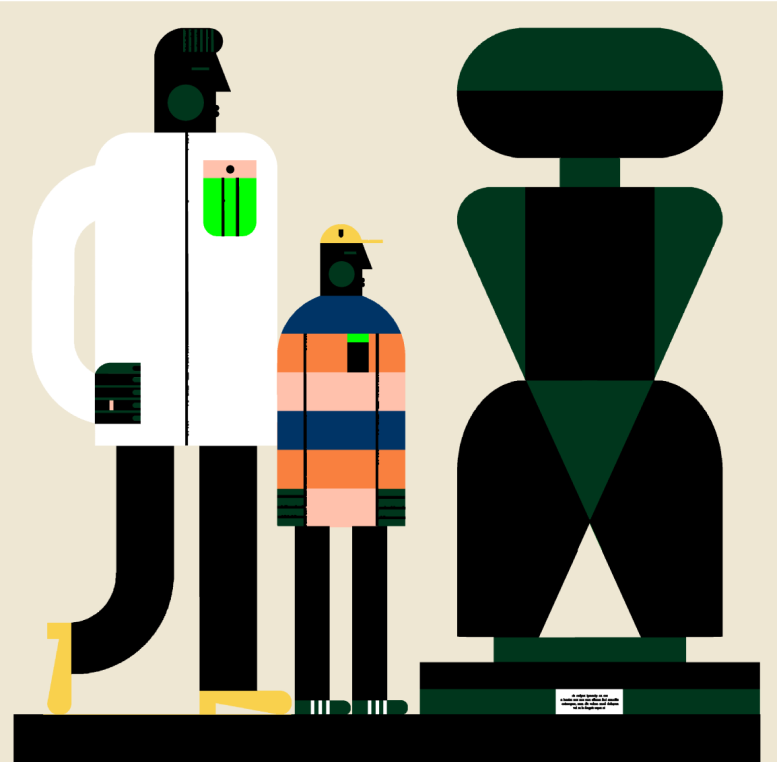
The Bura ceramics, dating from around 500 BCE to 1000 BCE, are attributed to the Bura civilization in the Niger River Valley. These artifacts are mainly of the terracotta medium, save for a few outlying stone pieces. The Bura artifacts are primarily figurative jars, statues and urns which were used in burial practices. They are characterized by their unique scarification designs, ridged textures and often phallic-inspired motifs. They range from fluted pots to portrait-style busts to phallic-like jars. These vessels served as urns for skeletal remains and could also contain personal items like jewelry and tools. The Bura culture is best known for its complex burial rituals, which distinguish individuals by age, gender, and class. The ceramics, discovered at sites like Asinda-Sikka, reveal a sophisticated society with strong cultural continuity across the region.
Our Project
AABC is assisting museums and stakeholders in exploring ways advanced technology can help drive dialogue and new solutions for cultural heritage disputes resulting in positive outcomes, inclusivity, social impact and greater transparency. Social Justice and Cultural Restitution: Repatriation empowers source countries to reclaim their cultural heritage, promoting social justice and healing historical wounds. Economic Development: Royalty payments from exhibited artworks generate sustainable revenue streams for source countries, contributing to their economic development and cultural preservation efforts. Ethical Art Practices: Blockchain technology enhances transparency and accountability in the art world,combating illicit trade and promoting ethical practices. Global Collaboration: AABC's platform fosters international collaboration and dialogue, facilitating the resolution of repatriation claims and promoting cultural understanding. In essence, AABC's repatriation project utilizes blockchain technology to create a fairer, more transparent, and ethical art world, where source countries can reclaim their cultural heritage and benefit from its economic potential. This initiative represents a significant step towards achieving social justice, cultural restitution, and global collaboration in the art world.